6 March 2016Age 19
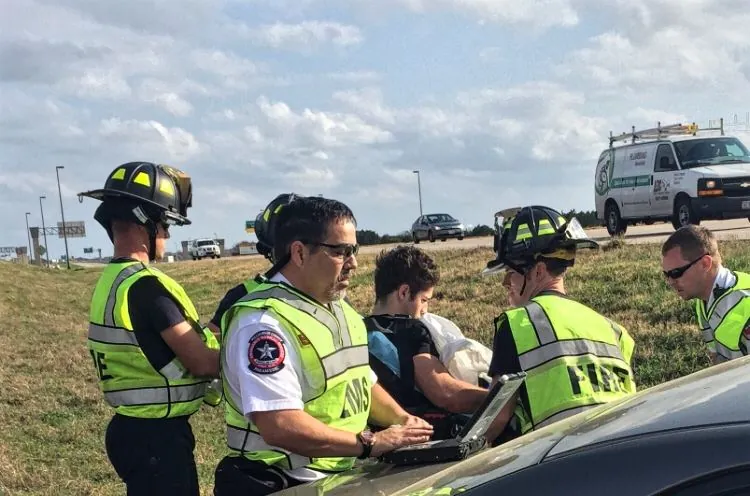
The seizure started on the highway.
He was on a video call with his girlfriend when his words began to slur.
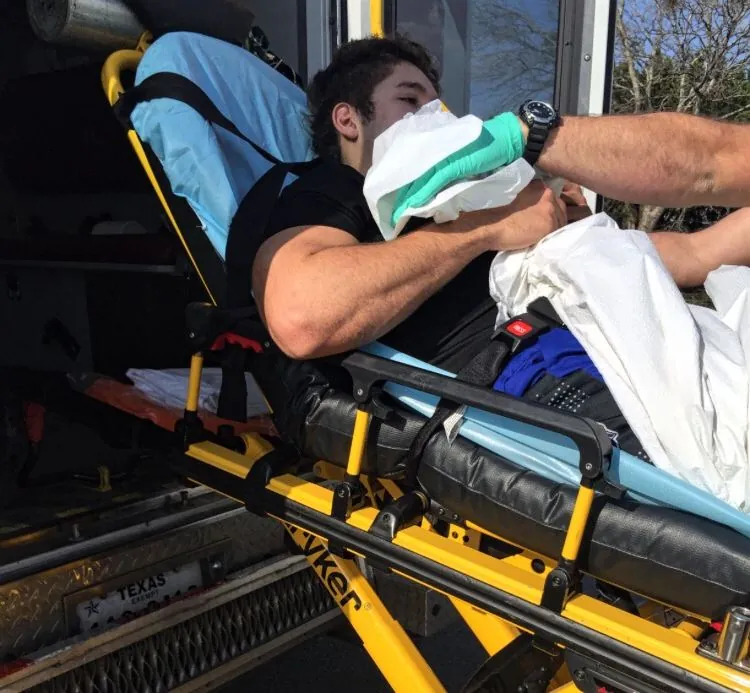
He was driving eighty-five miles an hour. The car went into a ditch and the fire department
cut him out of it.
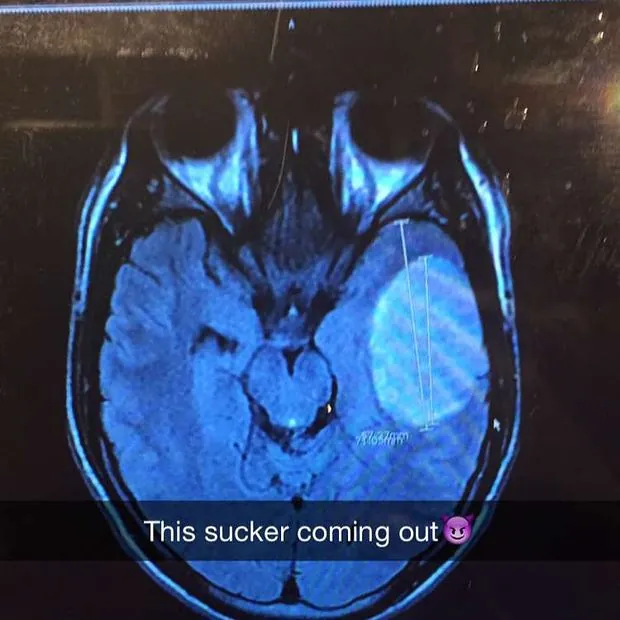
Drugs, alcohol, steroids — all clean. Then someone ordered an MRI.
+24 hoursMD Anderson
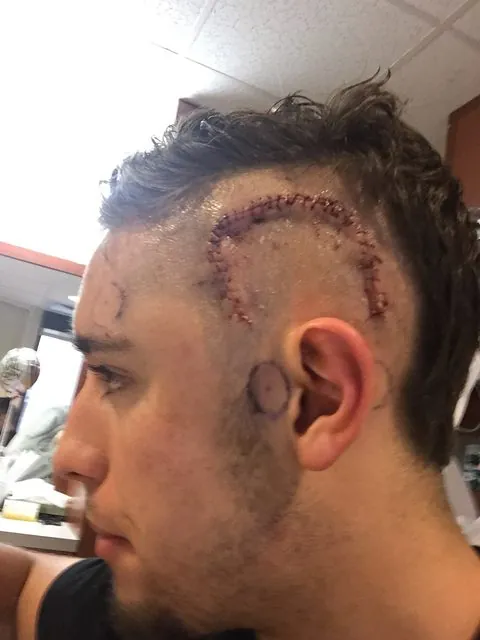
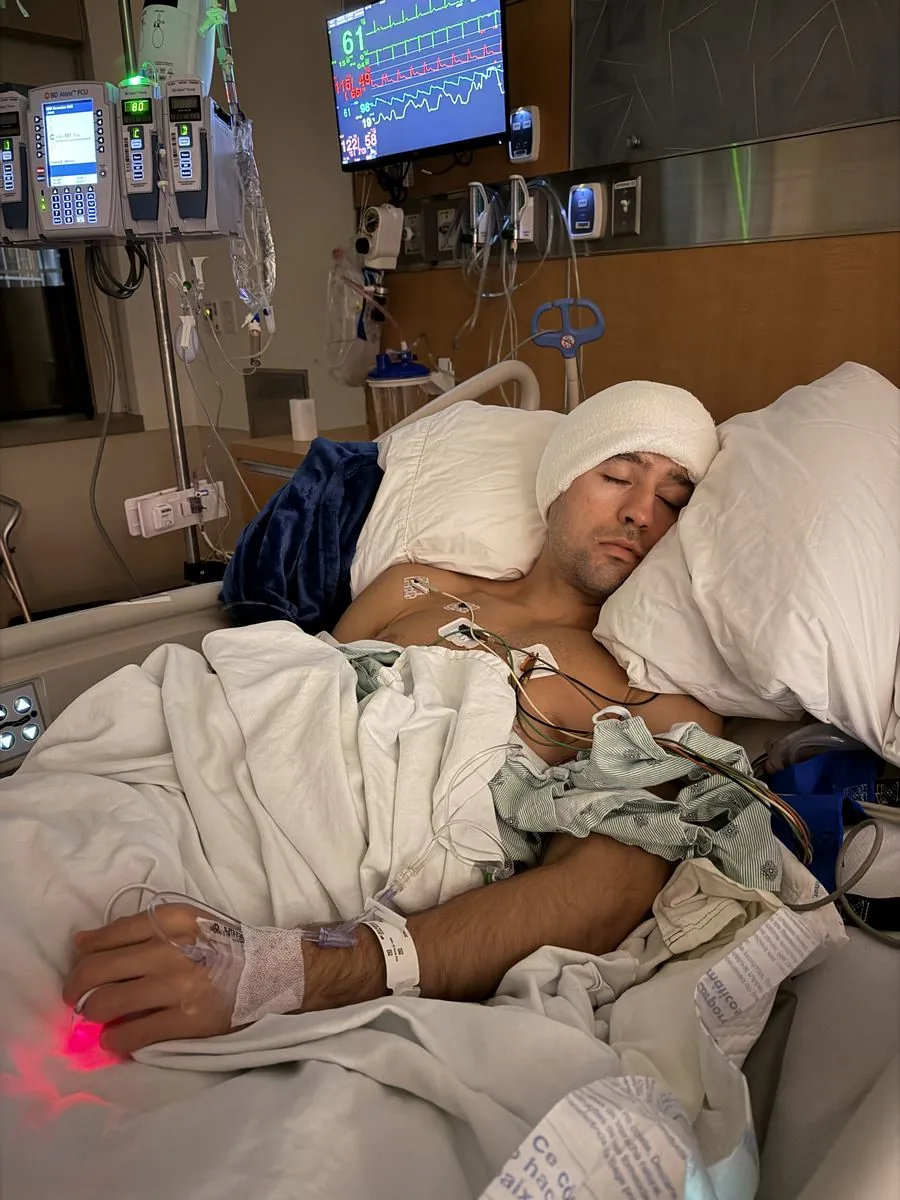
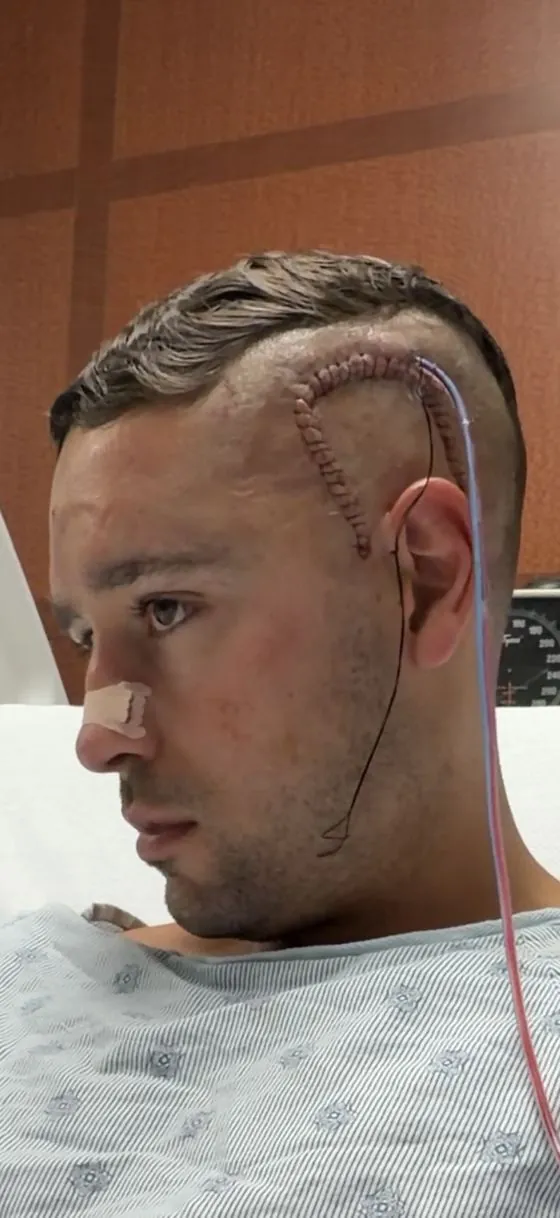
Ten hours of surgery. Four of them awake.
The first surgeon offered a choice between losing his speech and hearing,
or a short time. His mother walked him out of the building. A family connection reached a
major donor, who made one call: find me the best brain surgeon in the world.
The second surgeon said yes, you’ll speak — and we operate in
twenty-four hours. Logan answered questions for four hours while a surgeon worked inside
his head. The tumour came out completely.
One week laterPathology
“There’s nothing we can do.”
The pathology came back grade 4. The oncologist gave him a life expectancy
measured in single-digit years and offered chemotherapy and radiation. He was nineteen, and
it felt like the end of a life that hadn’t started yet.
Then he found the clinical research on ketogenic metabolic therapy and brain
tumours, and started the next day — alongside the chemotherapy and radiation, not
instead of it.
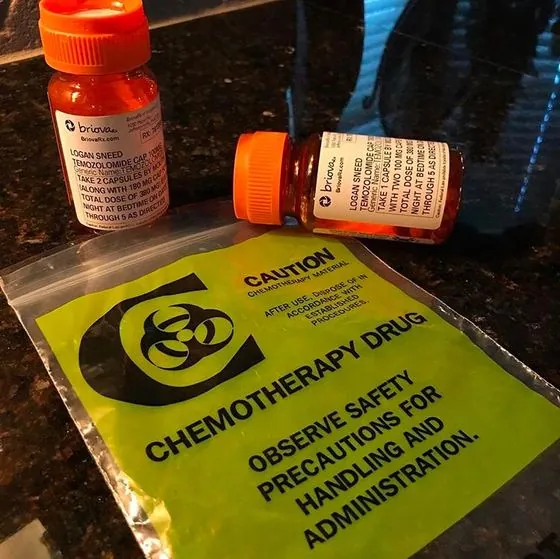
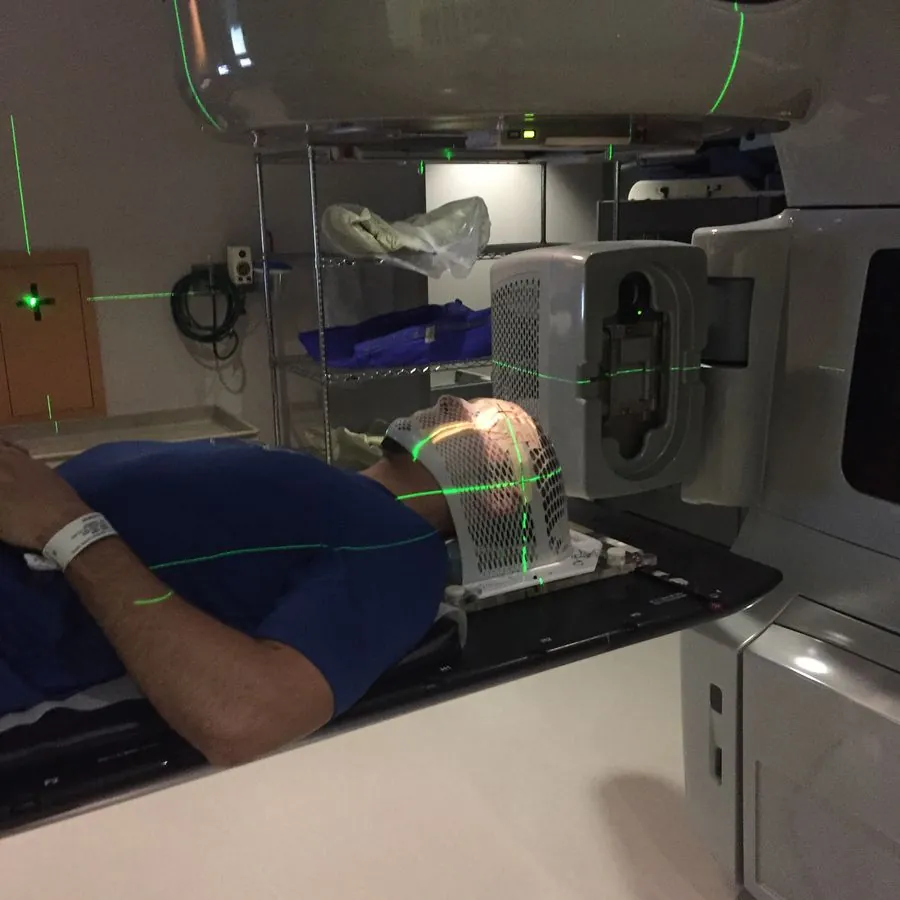
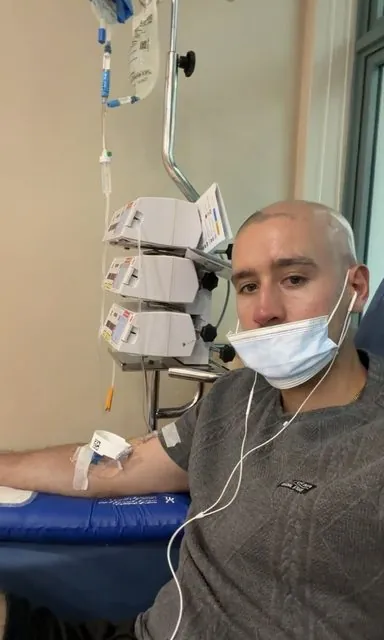
Chemotherapy, and daily radiation in the mask. Age nineteen.
2016 – 2022The years between
He built a life in the years he was told he might not get.
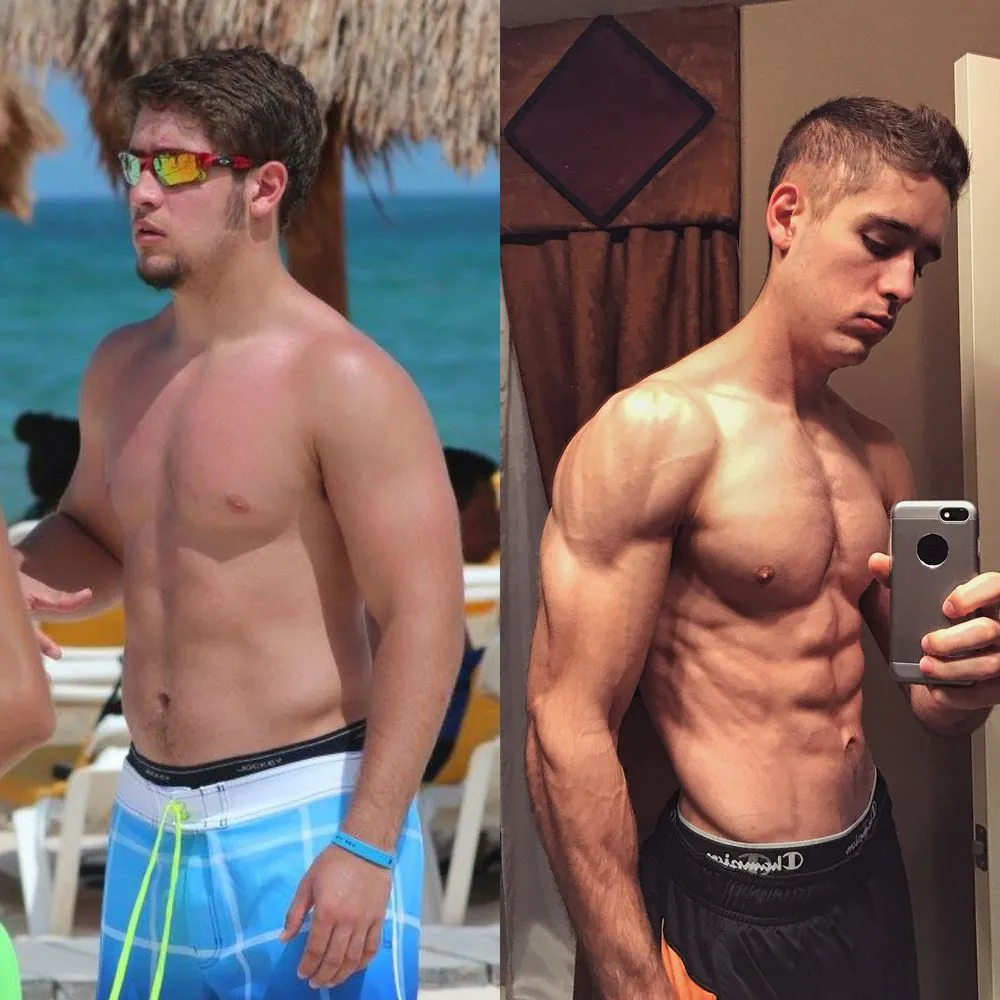
He documented his recovery publicly, mid-treatment, and it went viral —
people didn’t believe the transformation was happening during chemotherapy and
radiation. He dropped out of college, moved out on his own, and built a coaching business to
$30,000 a month at nineteen.
That became two seven-figure businesses, thousands of clients across more
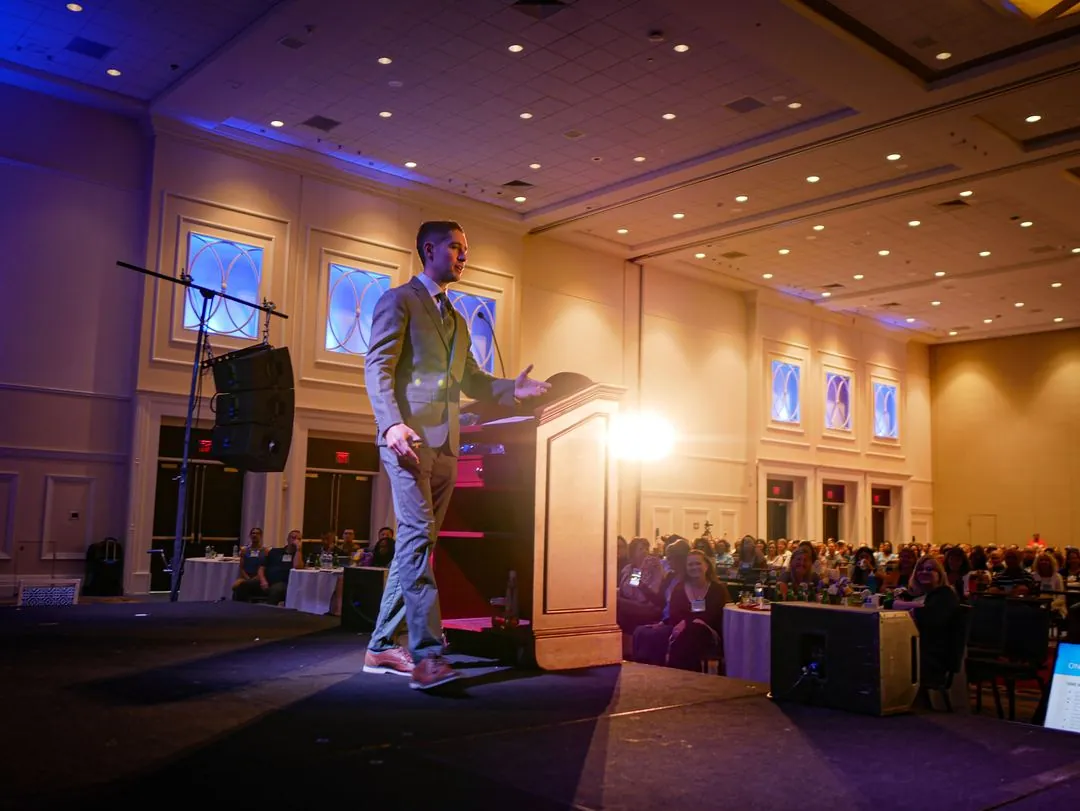
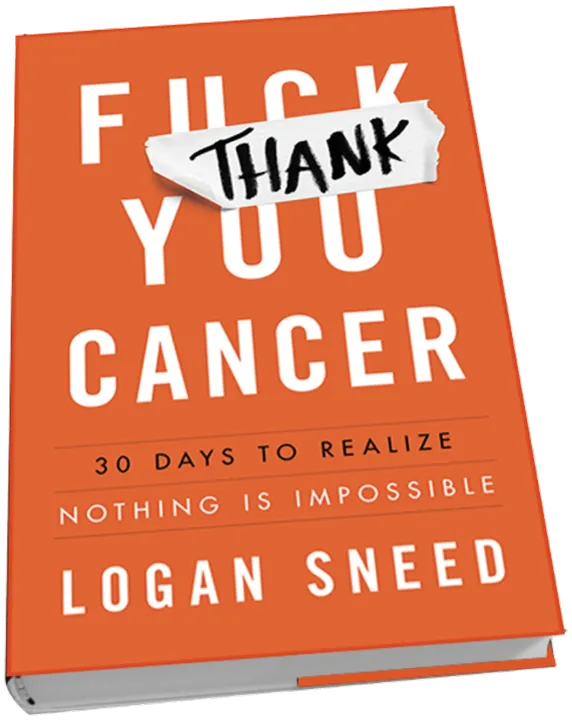
than thirty countries, a book — Thank You Cancer — and stages across the
United States. Then seven years of remission ended and the seizures came back.
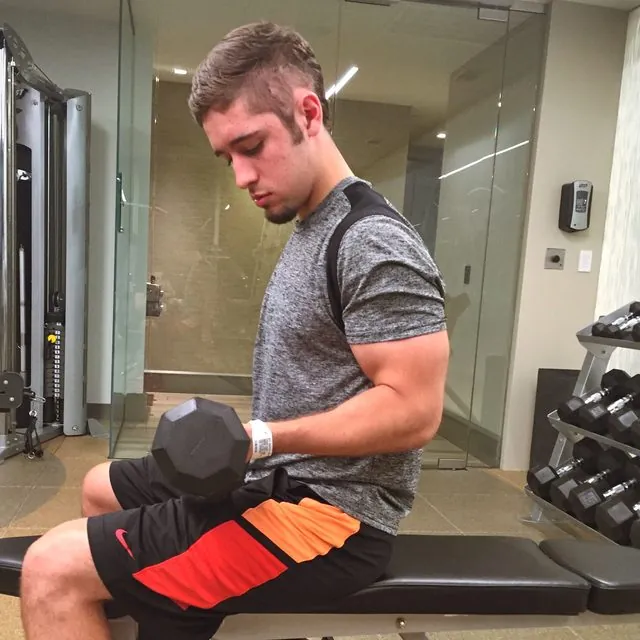
Walking the hospital corridor after surgery, then back in the gym. The transformation people refused to believe was happening during treatment.
12 February 2026Second resection
He did it again. Awake.
A tumour had grown from nothing to 2.5cm over three years. Another ten-hour
operation, another four hours conscious on the table, another complete resection. Pathology
came back roughly seventy percent tumour, thirty percent scar tissue from the first surgery.
“Chemotherapy and radiation is all we have. I’m not sure what else we can do.”
What he was told next
2026The part nobody prints
He had to argue with his own doctors to reach the treatment keeping him alive.
He asked about immunotherapy and active trials at his own hospital and was
told there weren’t any — he had found several listed on their own website. A
second opinion prescribed oral chemotherapy his research suggested was a poor fit for his
genetic profile. They disagreed.
Then a genomic test came back and the phone rang: stop the chemotherapy,
we agree it doesn’t fit your genetic make-up, we have something else. The test also
found Lynch syndrome — and the specific marker that makes immunotherapy a candidate
treatment for him.
He had spent months using AI to research his own case. Every time he raised
it he was told he was wrong. Every time, they eventually came back and agreed.
NowOngoing
On immunotherapy every three weeks, cancer free, and building a company.
Ten thousand dollars a session. Nothing covered — he pays for a policy
that covers treatment abroad and it is currently refusing the immunotherapy he spent months
fighting to access. He and his family fund it directly, session by session, wherever he has
to travel for it.
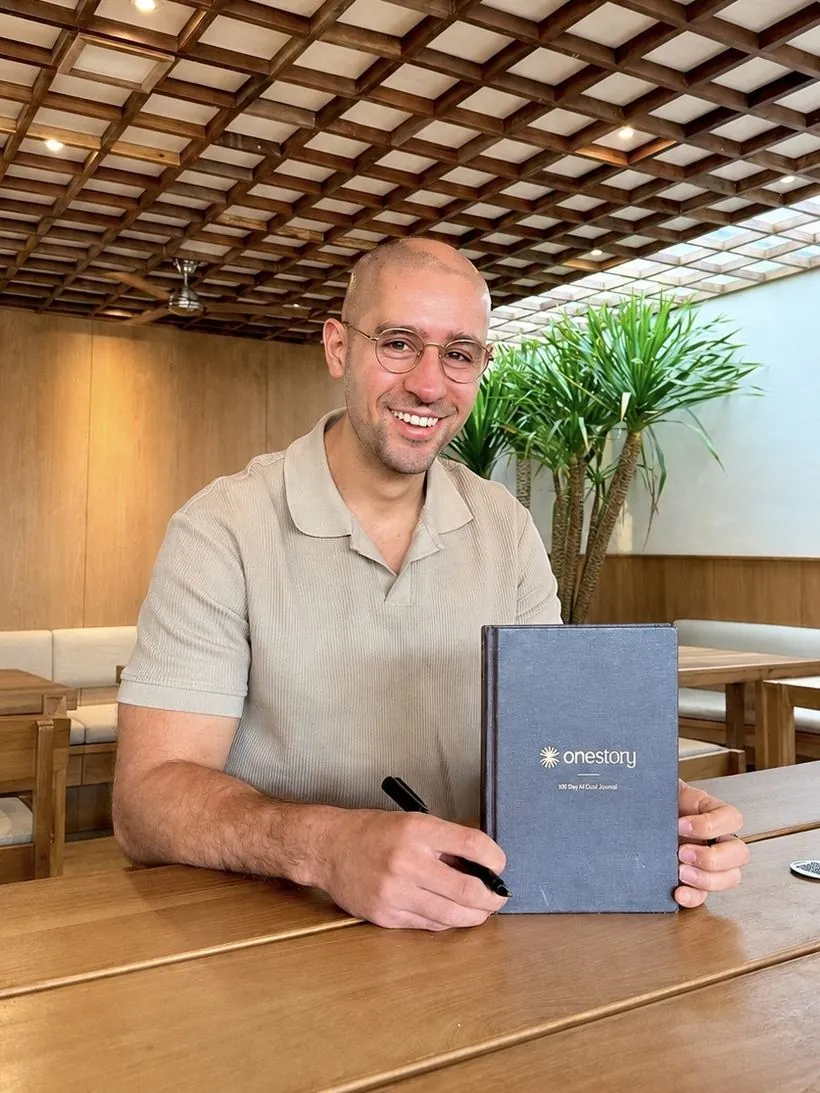
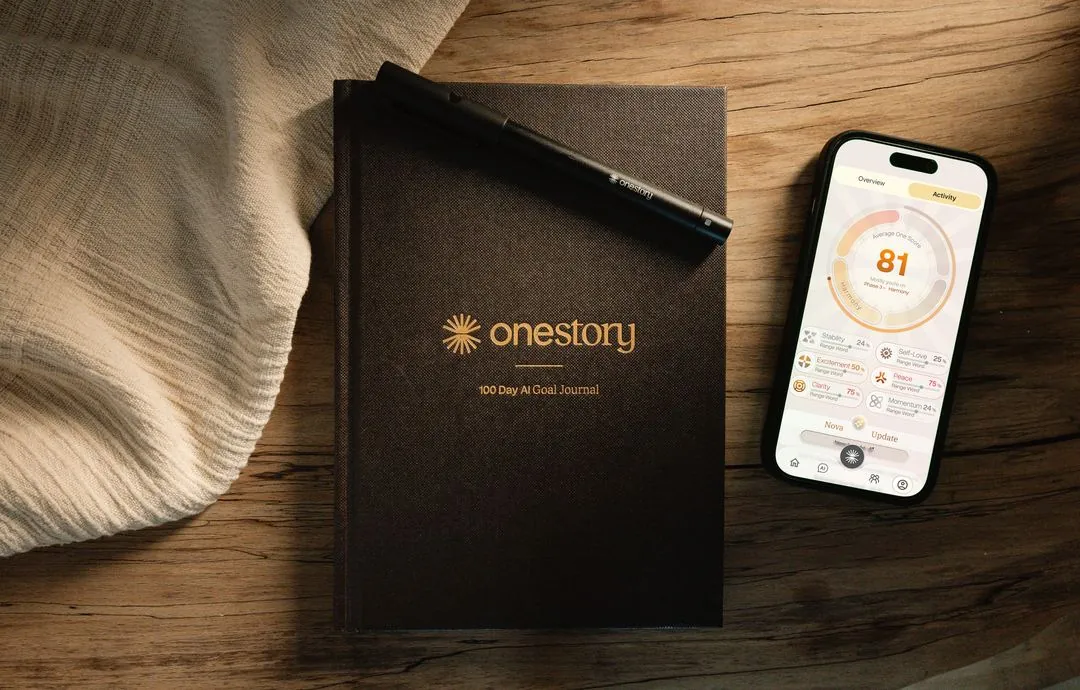
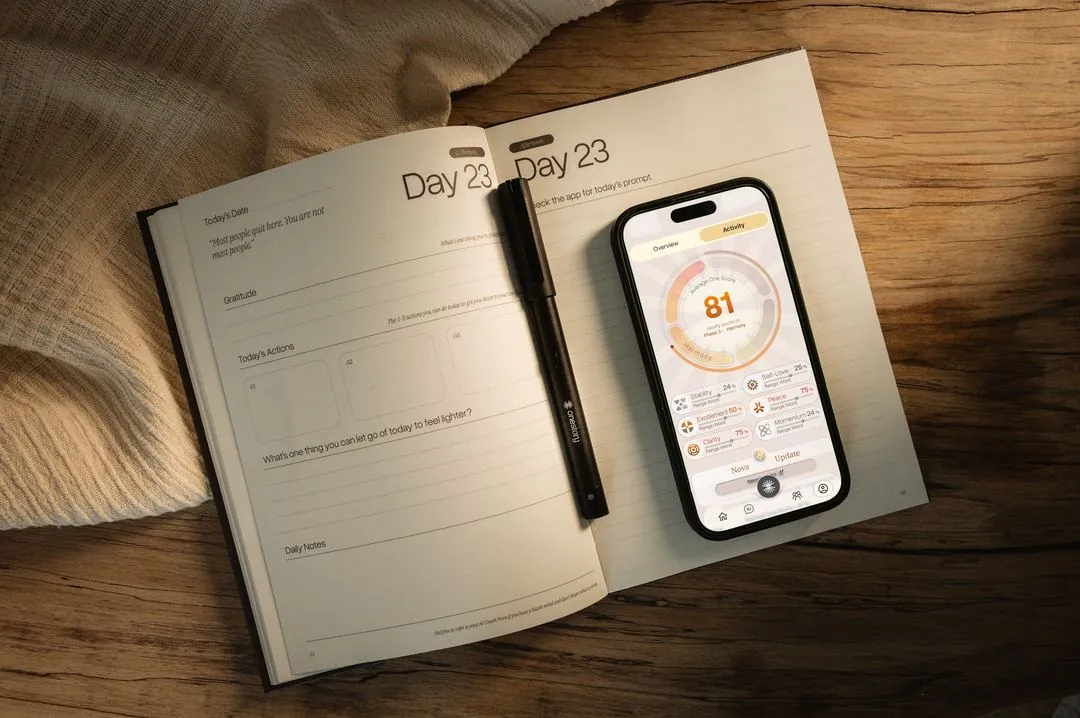
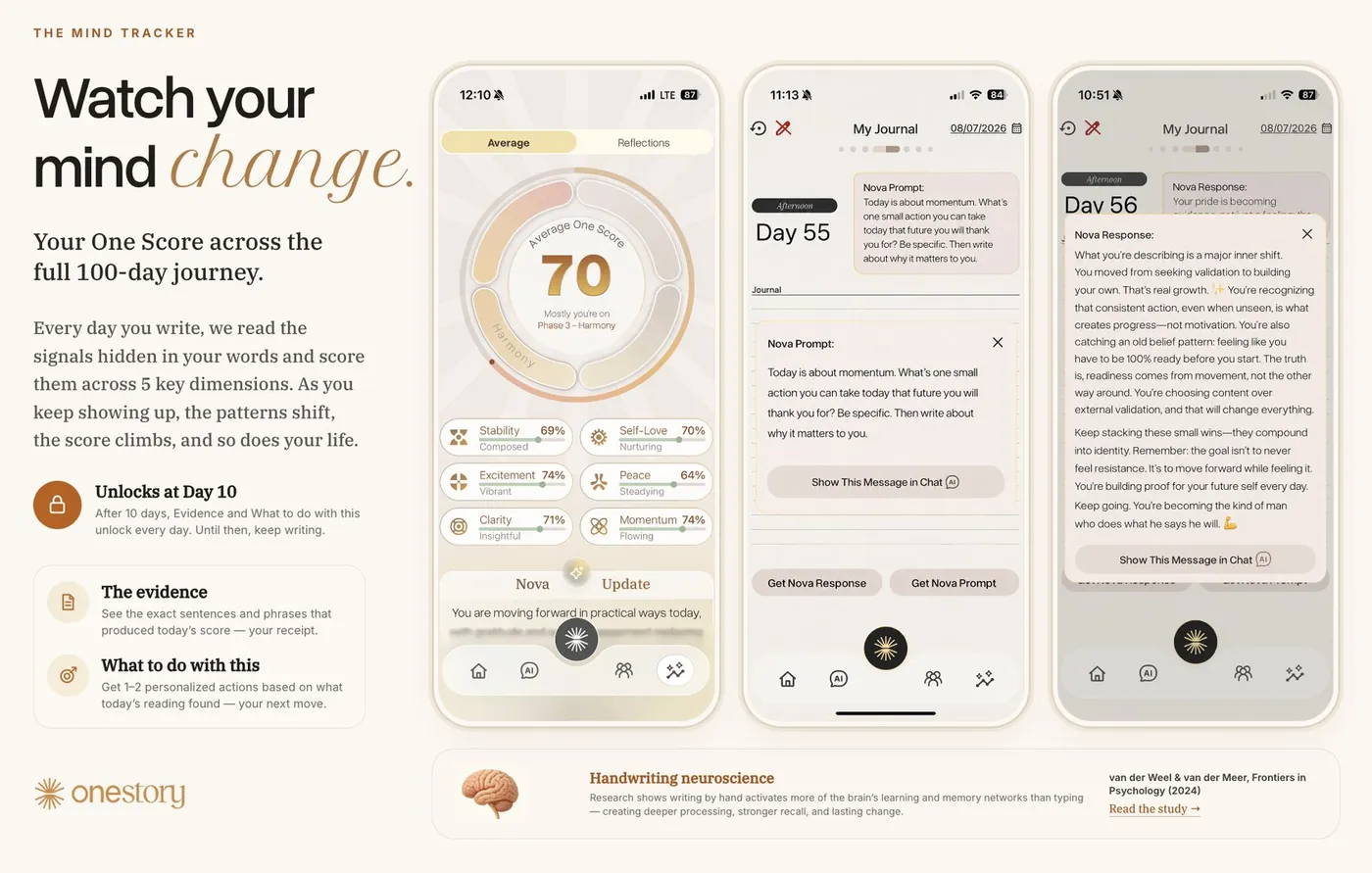
Between sessions he builds One Story, into which he has put
$350,000 of his own money.
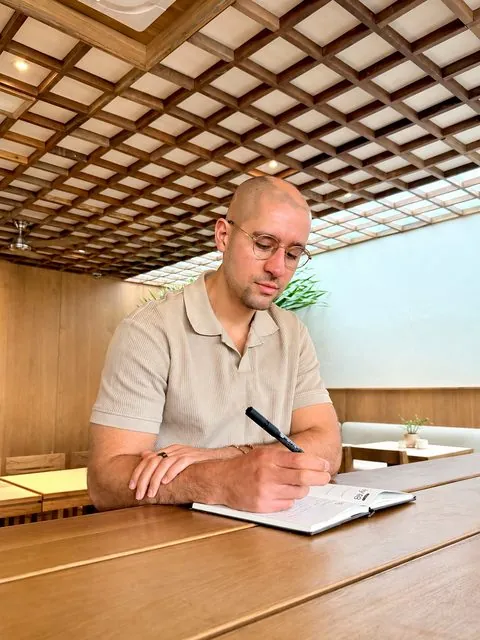
Immunotherapy, the journal, and the life in between.